Planning your visit
How long should I set aside for an eye exam?
Plan about 30–45 minutes for an AVCC comprehensive exam or 45–60 minutes for a contact lens visit. Your needs can affect the time.

Ask your office how much time to allow from check-in through checkout for your particular visit. The examination, additional testing and discussion can vary. Dilation may also affect your plans after you leave, so arrange transportation in advance.
Ask about the whole appointment, not just the exam chair
If you are fitting an eye exam around a work shift, school pickup or a ride, a single number may not answer your real question. You need to know when to arrive, what is likely to happen and when you can reasonably plan your next commitment. Ask what the office's time estimate includes.
Tell the team why you need the visit and whether you are a new patient. Mention a firm scheduling limit before an appointment is confirmed. That opens a useful conversation about your options without treating a typical visit estimate as a guaranteed departure time.
Understand why the steps can vary
The American Optometric Association describes health history, vision assessment, eye-health evaluation and discussion of findings as parts of comprehensive care. Tests are selected according to the person's needs and the clinician's judgment; not everyone follows an identical sequence.
A prescription update, first contact lens fitting and visit about a new eye concern may need different preparation. Explain what you are seeking when you contact the office. If you have several concerns, put them in a short list so the team can tell you what can be addressed in the planned visit.
Learn about comprehensive eye examinations
Prepare what you can before arrival
Ask which forms, records or insurance details the office wants and how to provide them securely. Do not assume a form found online replaces every check-in step. Bring the information you already have and ask how to handle anything that is missing.
Keep your main questions together: what changed, when it started and which everyday task is difficult. If a previous clinician recommended a test or follow-up, bring that information or ask about obtaining the report. This gives the conversation a clear starting point without requiring you to interpret medical records yourself.
Use the first-visit preparation checklist
Plan for dilation and the trip home
Dilating drops widen the pupils to help the clinician examine inside the eyes. Vision can be blurred and light sensitivity can persist afterward. The National Eye Institute recommends arranging a driver and bringing sunglasses. Ask about dilation while planning your visit, not only when you are ready to leave.
Time onsite and readiness for driving, reading or detailed work are separate questions. Ask your clinician what to expect for your circumstances. If a ride is difficult to arrange, discuss the problem beforehand rather than deciding to skip recommended testing to fit another commitment.
Check timing with the office
Office hours, appointment availability and the duration of a visit describe different things. An open store or a submitted request does not tell you that a clinician can see you at a particular time. Check the details for the actual Advanced Vision Care Center (AVCC) office.
Compare AVCC office information
Leave room for costs, results and the next step
If another test or visit is recommended, ask what it is for, when it should happen and whether it brings a separate charge. Include that possible return trip in your planning. A convenient appointment is one where you understand what happens afterward, not simply one that ends quickly.
Before leaving, ask how you will receive instructions and whom to contact with questions. If another clinician needs a report, clarify who will send it and how you can check that it arrived. If you also plan to shop for eyewear, allow for that separately from the clinical visit.
Check eye exam costs and possible extras
Common questions
Can AVCC guarantee I will finish before another commitment?
A generic estimate cannot guarantee your finish time. Tell the selected office about the constraint before confirming the appointment and ask what its estimate includes. Allow for the visit you need rather than assuming every eye exam takes the same time.
Will an eye exam with dilation affect driving afterward?
It can. Dilation may leave vision blurred and eyes sensitive to light. Arrange a ride and ask the clinician about your circumstances; do not rely on a universal countdown for when driving will be safe.
Does the appointment request show a confirmed slot?
No. A request identifies your preferences. Wait for the office to confirm the actual appointment and any preparation instructions before treating a preferred time as booked.
Sources: aoa.org, nei.nih.gov
Clarity before commitment
Start with what the visit includes.
No insurance? You can still ask about care. Compare the visit, the fee, and what is separate before sharing contact details.
- Cost
- $95 self-pay Eyewear, contact lens fitting and additional testing are separate.
- When
- You choose the days Share your preferred days. The office confirms a time.
- Time to allow
- 30 to 45 minutes Total time onsite, including check-in.
Helpful guides
Answers for the step you’re on.
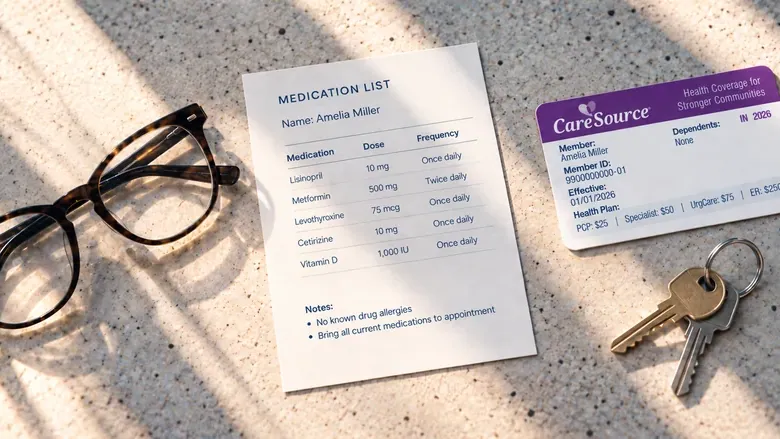 Your first AVCC visit: a simple preparation checklistKnow what to confirm, what to bring and which questions to ask about cost, time and the next step before your first visit.
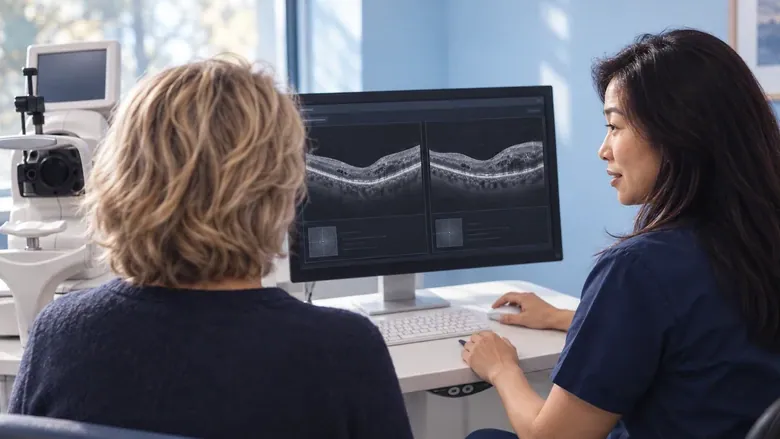 Your diabetic eye exam: what to bring, ask and expectPrepare for a diabetic eye exam with questions about what to bring, possible testing, expected costs, results and follow-up.
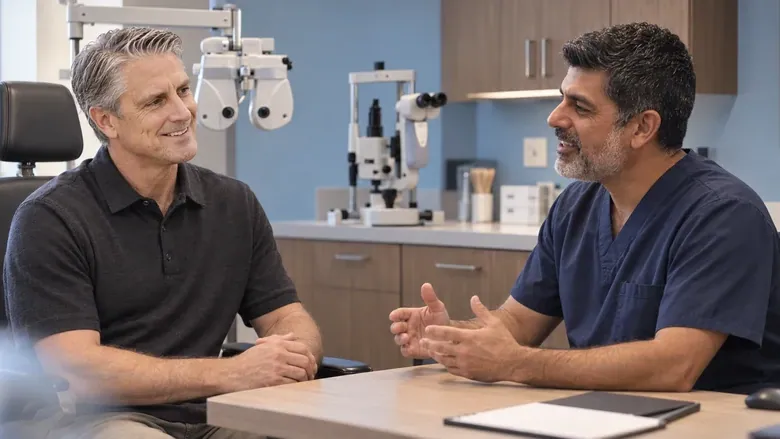 What happens at a cataract consultation?Know what a cataract evaluation can answer, how to prepare and why a consultation, specialist referral and surgery are separate decisions.