Planning your visit
Your first AVCC visit: a simple preparation checklist
Know what to confirm, what to bring and which questions to ask about cost, time and the next step before your first visit.
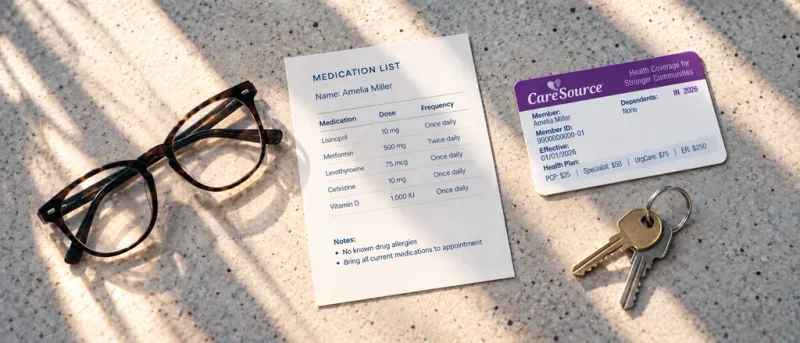
Confirm the office and appointment, bring the information the team requests, and write down your main questions. Ask about expected charges, total visit time, preparation and transport before arrival. Sending an appointment request is not the same as receiving confirmation.
1. Check the confirmation before planning your day
Start with the agreed appointment, not just the request you sent. Check the office, visit type, date and time. If you only have a submitted preference or an automatic acknowledgment, contact the office to clarify whether the appointment has actually been confirmed.
Save the selected office's direct phone number with the appointment. Ask where to enter and check in, and what arrival timing the team recommends. A retailer's opening hours do not establish the doctor's appointment schedule. Use the specific Advanced Vision Care Center (AVCC) office information rather than a general store listing when planning your visit.
2. Gather the information that helps the conversation
An eye examination includes questions about your symptoms, health history, medications and previous eye care. You do not need to arrive with a diagnosis. A clear description of what changed, when it started and what you want help with is a useful beginning.
3. Ask how to share records and complete forms
Call if you are unsure which records are needed or how they should reach the practice. Ask whether anything can be completed before arrival and which approved channel to use. Do not assume that an ordinary appointment-request box is intended for medical histories, insurance-card images or other sensitive documents.
If a family member is helping, tell the team how you want that person involved. Ask about any permission or communication steps that apply. You can also mention language, hearing, vision or physical-access needs before the appointment and ask what support the selected office can arrange. A request for help is the start of a practical conversation, not a need you should hide until check-in.
4. Check preparation and the trip home
Ask whether to wear your contacts to the visit and whether there are other instructions for your particular examination. If you have questions about your usual medicines, ask the clinical team; do not use a general web checklist as a medication-change instruction.
If dilation is expected, plan for temporary blurred vision and light sensitivity. The National Eye Institute recommends arranging a driver and bringing sunglasses. Ask about your journey home before the appointment, especially if you were planning to drive, return to detailed work or manage another commitment immediately afterward.
Understand total eye-exam time and dilation planning
5. Ask what the fee covers and what time to allow
Describe the visit you are seeking when asking about cost. Is it a routine examination, a contact lens fitting, or an eye-health concern? Ask for the current fee and inclusions, or what needs checking under your exact insurance plan. Identify possible additional charges and the parts of the estimate that remain uncertain.
Keep time questions equally specific: How much total time should I allow from arrival through checkout? Might a later visit be needed? Mention a work shift, school pickup or ride constraint before the time is confirmed. Avoid assuming that every visit follows the same timetable or that an estimated duration is a guaranteed finishing time.
Review costs and insurance before your visit
Understand vision versus medical insurance
6. Leave knowing what happens next
Before you leave, ask the clinician to explain the findings and the next step in plain language. Confirm any follow-up timing, how you will obtain instructions or records, and which office to contact with questions. If you are unsure, repeating the plan back is a simple way to find the gap while someone can still explain it.
Keep the appointment details, cost information and follow-up instructions together. For another planned visit, a request is still not a confirmed appointment. If sudden concerning eye symptoms develop, use urgent-care guidance rather than waiting for a routine online response. This checklist supports your clinician's instructions; it does not replace them.
Keep the complete visit guide handy
Know when eye symptoms should not wait
Common questions
Should I wear my contact lenses to the appointment?
Ask the selected office for instructions for your particular visit. Tell the team whether you are attending a routine fitting or have discomfort or a vision concern; those are not interchangeable requests.
Do I need someone to drive me home?
If your eyes will be dilated, arrange a driver and bring sunglasses. Dilation can temporarily blur vision and increase light sensitivity. Ask the office what is expected for your examination.
Am I booked after sending an appointment request?
No. Your office must confirm the appointment. Check the office, visit type, date and time before treating your preferred time as booked or making plans around it.
Sources: aoa.org, nei.nih.gov
Clarity before commitment
Start with what the visit includes.
No insurance? You can still ask about care. Compare the visit, the fee, and what is separate before sharing contact details.
- Cost
- $95 self-pay Eyewear, contact lens fitting and additional testing are separate.
- When
- You choose the days Share your preferred days. The office confirms a time.
- Time to allow
- 30 to 45 minutes Total time onsite, including check-in.
Helpful guides
Answers for the step you’re on.
 How long should I set aside for an eye exam?Plan about 30–45 minutes for an AVCC comprehensive exam or 45–60 minutes for a contact lens visit. Your needs can affect the time.
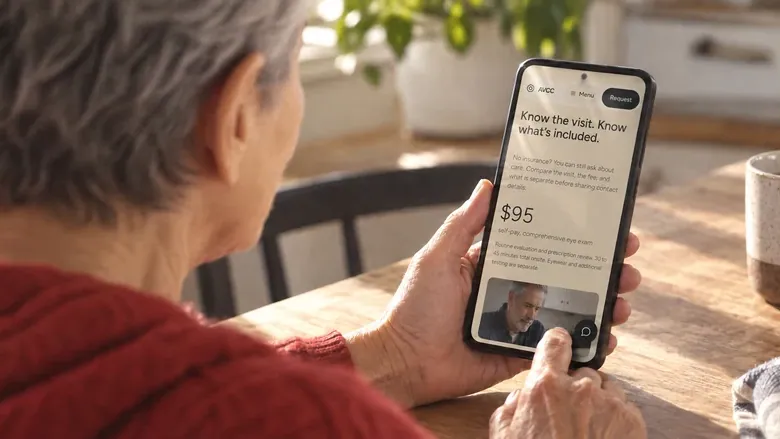 How much does an eye exam cost without insurance?Compare a $95 self-pay comprehensive eye exam with AVCC's $160 complete new-patient self-pay exam and contact lens fitting. See inclusions.
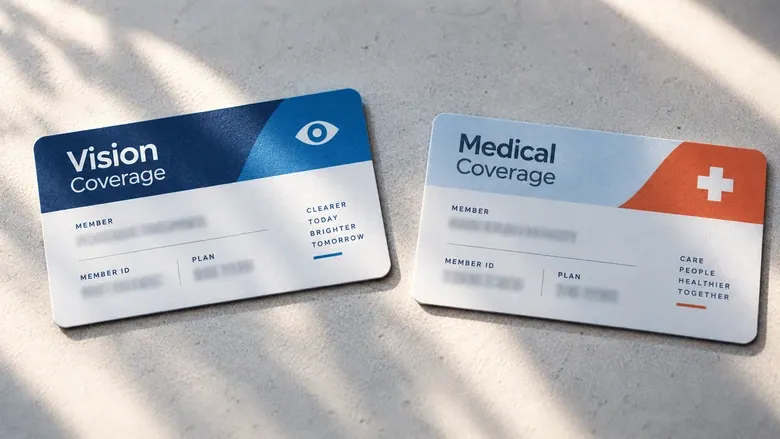 Vision insurance or medical insurance: which applies to an eye visit?Your reason for care, exact plan and selected doctor all matter. Here is how to check coverage without guessing which card applies.