Eye care
Eye care for how you see … and how your eyes feel.
Choose the right starting point without diagnosing yourself.
Comprehensive eye examsA routine eye exam is a place to talk about how you see and how your eyes feel, not just update a prescription.ExploreContact lens examsA contact lens visit needs its own conversation about fit, comfort, eye health and the way you use your lenses.ExploreMedical eye careA change in comfort or vision deserves the right next step. For urgent changes, seek prompt care instead of waiting for an online request.ExploreDiabetic eye examsDiabetes can affect the eyes before you notice a change. Ask your care team what examination and follow-up schedule is right for you.ExploreGlaucoma screeningGlaucoma often develops without symptoms. Assessment looks at more than one measurement.ExploreDry eye & allergiesPersistent burning, watering, grittiness or itching is worth evaluating rather than guessing at.ExploreCataract consultationsA consultation, and where appropriate co-management with the surgeon who performs the procedure.Explore

If it is urgent
Some things should not wait for a callback.
Sudden vision loss, an eye injury, chemical exposure or severe pain need care today. Call your office directly, or go to an emergency room.
Helpful guides
Answers for the step you’re on.
 Red eye or sudden vision changes: when not to wait for an online requestSome eye symptoms need immediate help, not a routine request. Recognize warning signs and communicate clearly without trying to diagnose yourself.
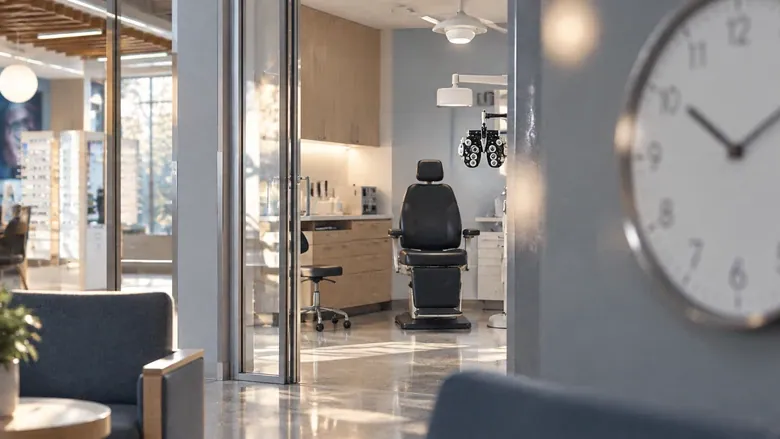 How long should I set aside for an eye exam?Plan about 30–45 minutes for an AVCC comprehensive exam or 45–60 minutes for a contact lens visit. Your needs can affect the time.
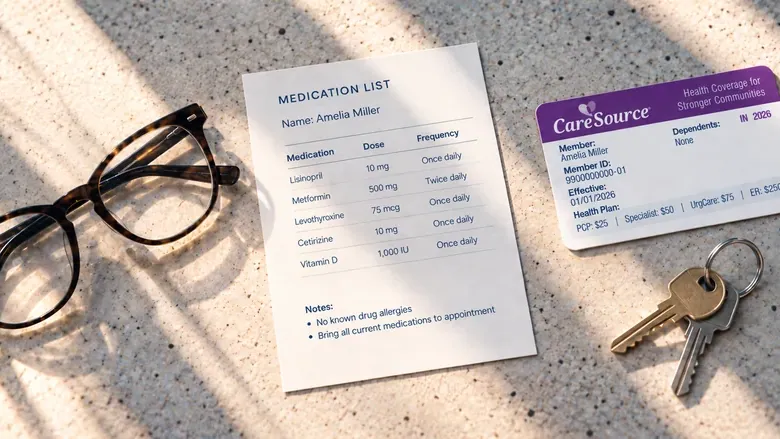 Your first AVCC visit: a simple preparation checklistKnow what to confirm, what to bring and which questions to ask about cost, time and the next step before your first visit.