Medical eye health
Your diabetic eye exam: what to bring, ask and expect
Prepare for a diabetic eye exam with questions about what to bring, possible testing, expected costs, results and follow-up.

Bring your eye-care and health history, current medication information and the questions you want answered. Ask about the evaluation, possible dilation, expected costs and how results will reach the people involved in your care. Your clinician should set the follow-up plan.
Why an eye exam matters even when vision seems clear
Diabetic retinopathy affects blood vessels in the retina, the light-sensitive tissue at the back of the eye. Early changes may not cause noticeable symptoms. The National Eye Institute recommends regular comprehensive dilated examinations for people with diabetes; feeling that you see well is not a substitute for that assessment.
Ask your clinician when your examination is due. If you were told to arrange one, explain whether this is an initial diabetes-related evaluation, monitoring of a known finding or a visit because something changed. You do not need to identify the problem yourself to give the office useful information.
Learn about AVCC diabetic eye examinations
Gather a short health and eye-care summary
Bring the information you have and ask the office what else would help. Do not delay arranging a recommended visit solely because one document is missing. If another clinician sent you, keep the referral or recommendation available and ask whether earlier records should be requested.
A short note is often easier to use than a stack of unexplained papers. Include your main concerns and any change you have noticed in reading, distance vision or daily activities. Ask for the appropriate secure method to share records rather than placing sensitive details in a general website message.
Use the full first-visit checklist
Ask what the examination will assess
A dilated eye examination lets the clinician inspect the inside of the eye for diabetic changes and other concerns. The evaluation may lead to recommendations for further testing. Ask what each proposed test is intended to answer and whether it is part of this appointment or a separate step.
It is reasonable to ask, 'Is this checking my prescription, my retinal health or both?' If a photograph or scan is discussed, ask how it fits into the clinician's assessment. Do not assume one test automatically replaces every other part of an examination, or that every possible test is necessary for every patient.
Plan the time onsite and the journey afterward
Ask the selected office how much time to allow for check-in, assessment, testing and discussion. Mention transportation or work constraints before a time is confirmed. A general examination estimate may not describe your particular evaluation.
Dilation can temporarily blur vision and increase sensitivity to light. The National Eye Institute recommends a driver and sunglasses. Ask about those plans in advance, and follow instructions for your actual visit. If you are unsure about your normal medication routine or another preparation step, ask your treating team rather than making a change on your own.
Understand total eye-visit time
Clarify fees and insurance without assuming coverage
Ask which services are expected and how your exact plan might apply to this doctor and office. Medicare Part B has an eligibility-dependent benefit for diabetic-retinopathy examinations, but patient costs and other rules apply. That does not confirm Advanced Vision Care Center (AVCC) participation or mean every related test is covered.
If you are paying yourself, request the current fee, inclusions and possible separate charges. If another test or follow-up is recommended, ask about its purpose and cost together. Keep the estimate or explanation with your visit details so you can refer back to the same information.
Review medical insurance questions
Compare self-pay costs and inclusions
Leave with clear results and responsibility for follow-up
Ask what was found, what it means and when you should be seen again. If the explanation includes unfamiliar terms, ask the clinician to put the next step in plain language. Write down whether you are arranging another examination, additional testing or an appointment with someone else.
If your diabetes-care clinician should receive the results, confirm who sends them, what permission is needed and how you can check that the report arrived. If a referral is recommended, ask who makes the next call. Do not assume a report or appointment has been arranged simply because another clinician was mentioned.
Plan your AVCC visit and follow-up questions
Common questions
Do I still need an eye examination if I can see clearly?
Clear vision does not rule out early diabetic retinopathy. Keep the examination schedule recommended for you and ask when the next assessment is due. A symptom-free day is not a reason to disregard your clinician's advice.
Will I need the same tests at every diabetic eye visit?
Do not assume so. Ask which tests are recommended for your history and findings, what they are meant to assess and whether any will require another appointment. The plan should be explained for you, not inferred from someone else's visit.
Should a sudden vision change wait for my planned appointment?
Do not wait for a routine request response. A sudden increase in floaters, flashes or a curtain-like shadow needs immediate assessment by an eye doctor or emergency department. The National Eye Institute identifies these as possible signs of a retinal tear or detachment.
Sources: medicare.gov, nei.nih.gov
Clarity before commitment
Start with what the visit includes.
No insurance? You can still ask about care. Compare the visit, the fee, and what is separate before sharing contact details.
- Cost
- $95 self-pay Eyewear, contact lens fitting and additional testing are separate.
- When
- You choose the days Share your preferred days. The office confirms a time.
- Time to allow
- 30 to 45 minutes Total time onsite, including check-in.
Helpful guides
Answers for the step you’re on.
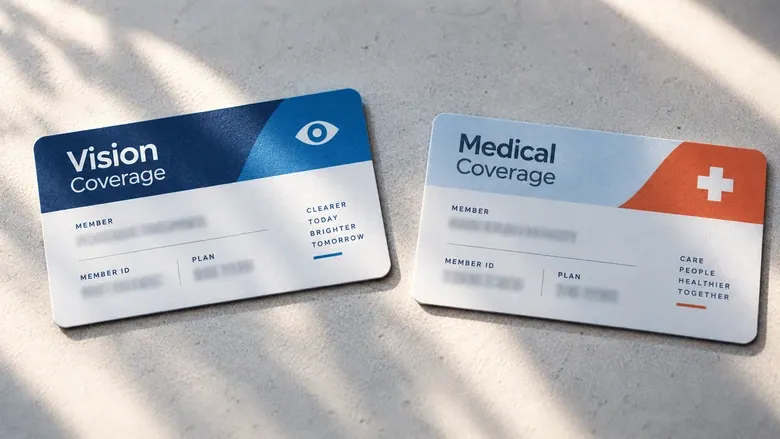 Vision insurance or medical insurance: which applies to an eye visit?Your reason for care, exact plan and selected doctor all matter. Here is how to check coverage without guessing which card applies.
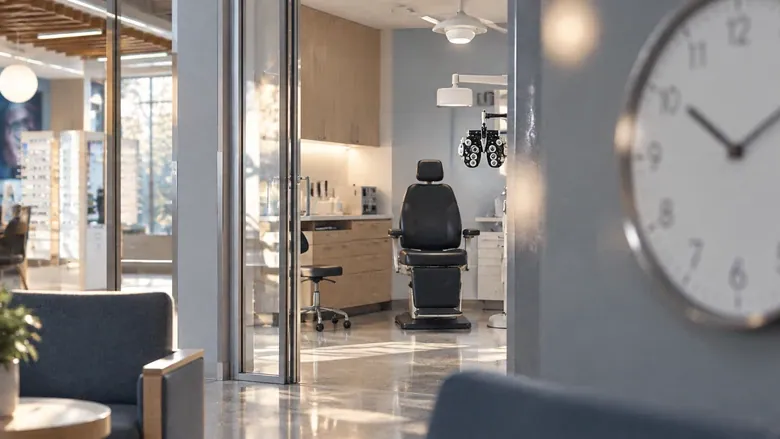 How long should I set aside for an eye exam?Plan about 30–45 minutes for an AVCC comprehensive exam or 45–60 minutes for a contact lens visit. Your needs can affect the time.
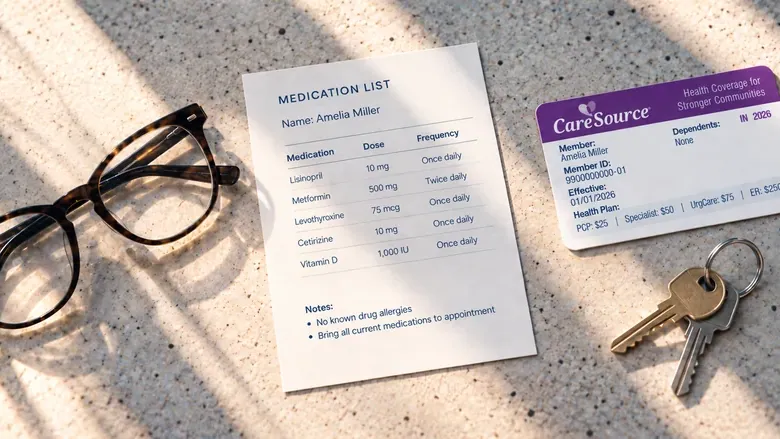 Your first AVCC visit: a simple preparation checklistKnow what to confirm, what to bring and which questions to ask about cost, time and the next step before your first visit.