Medical eye health
Why an eye exam may matter even when glaucoma has no symptoms
Seeing clearly does not answer every eye-health question. Learn what to ask about glaucoma evaluation, possible tests, costs and follow-up.
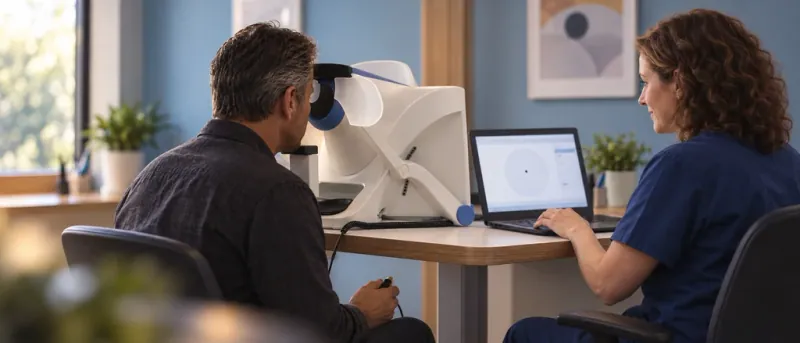
Glaucoma may develop without noticeable early symptoms. Seeing clearly is not a substitute for an eye-health evaluation. Ask your clinician which examination and follow-up fit your history, and ask the office to explain expected tests, charges and time.
Why clear vision is not the whole answer
It is easy to put off an appointment when reading, driving and everyday tasks still feel normal. Glaucoma can be an exception to that instinct: it damages the optic nerve and often has no obvious early symptoms. An eye-care professional evaluates it through a comprehensive examination, not simply by asking whether your glasses still work.
This does not mean you should try to find a diagnosis in every ordinary visual change. It means that a planned eye exam has a purpose beyond updating a prescription. If you are unsure when you should return, ask for a recommendation based on your own history. Avoid borrowing a friend's exam schedule or treating a reminder on a calendar as individualized advice.
Understand AVCC's glaucoma evaluation information
Bring the history you have, not a diagnosis you guessed
Patient and family history, current medications and previous eye findings help inform an examination. Make a short note of any relative with glaucoma, previous eye treatment, or test that another clinician wanted repeated. Include eye drops in your medication list. If you do not know the exact condition or test name, say so.
Old records can make the conversation easier to follow. Ask your previous office how the relevant reports can reach the new clinician through its approved records process. A message such as 'I was asked to return for another test last spring' is enough to start that conversation. You do not have to interpret an unfamiliar pressure reading or scan yourself.
Use the first-visit preparation checklist
A pressure reading is one part of the assessment
High eye pressure can increase glaucoma risk, but high pressure does not automatically mean glaucoma. Some people develop glaucoma with pressure in the normal range. Your clinician considers the findings together rather than using one number as the complete answer.
Ask what each recommended test is meant to clarify. Is it checking a finding, establishing information for future comparison, or following an existing condition? Ask what remains uncertain after today's examination and whether another test or referral is needed. A useful explanation should leave you knowing both what was learned and what still needs checking.
Separate the examination, testing and cost questions
Before a planned visit, describe why you are coming and ask what the quoted fee covers. Do not assume that a price for a routine prescription visit includes every test that could be recommended. Equally, do not assume that a recommendation for another test means it is automatically outside your coverage. Ask about your specific plan, provider, office and proposed service.
Keep three questions together: What is expected today? What might be separate? Who can explain the estimate if the plan changes? If cost is a concern, bring it up early in the conversation. Ask the clinician about the purpose and timing of recommended care, and ask staff about the charge. An insurance question should not leave you guessing about the medical next step.
Compare medical and vision insurance questions
Turn follow-up into a plan you can actually use
Ask how much total time to allow, whether dilation is expected, and whether all proposed testing takes place at the office you selected. Discuss a work shift, ride or caregiving commitment before accepting a time. If another appointment is needed, write down who will arrange it and whom to contact if the arrangements are unclear.
Find your Aurora, Greensburg or Richmond office
Know when the routine plan is not the right route
Sudden intense eye pain, especially with redness, blurred vision or nausea, needs immediate medical attention. Seek an eye doctor or emergency department now rather than waiting for a routine request response.
For a planned evaluation without urgent warning signs, review the service information and request your preferred office and timing. A request is not a confirmed appointment. Save the office's confirmation and keep the questions you want to ask with it.
Read urgent eye-symptom guidance
Common questions
Can I have glaucoma if I can still see well?
Yes. Early glaucoma may not cause noticeable symptoms. Ask a clinician about the evaluation appropriate for your history rather than relying on clear vision alone.
Does high eye pressure mean I have glaucoma?
Not necessarily. Some people with high pressure do not develop glaucoma, and glaucoma can occur at normal pressure. The clinician interprets pressure alongside the rest of the examination.
Is glaucoma testing included in my eye exam price?
Ask the selected office which examination and tests the estimate includes, what may be separate and how your exact plan applies. This article does not establish an AVCC fee or coverage decision.
Sources: aoa.org, nei.nih.gov
Clarity before commitment
Start with what the visit includes.
No insurance? You can still ask about care. Compare the visit, the fee, and what is separate before sharing contact details.
- Cost
- $95 self-pay Eyewear, contact lens fitting and additional testing are separate.
- When
- You choose the days Share your preferred days. The office confirms a time.
- Time to allow
- 30 to 45 minutes Total time onsite, including check-in.
Helpful guides
Answers for the step you’re on.
 Red eye or sudden vision changes: when not to wait for an online requestSome eye symptoms need immediate help, not a routine request. Recognize warning signs and communicate clearly without trying to diagnose yourself.
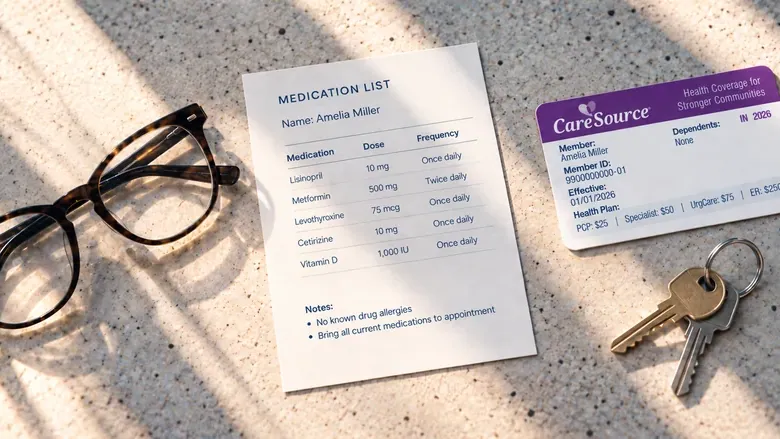 Your first AVCC visit: a simple preparation checklistKnow what to confirm, what to bring and which questions to ask about cost, time and the next step before your first visit.
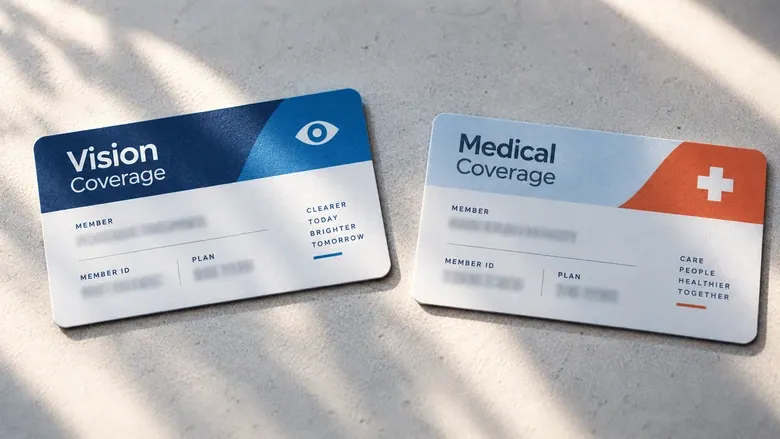 Vision insurance or medical insurance: which applies to an eye visit?Your reason for care, exact plan and selected doctor all matter. Here is how to check coverage without guessing which card applies.