Protect your eyes on the slopes: goggles, UV and clear vision
A few practical checks before your first run can help you choose eye protection, plan for glasses or contacts, and know when symptoms need care.
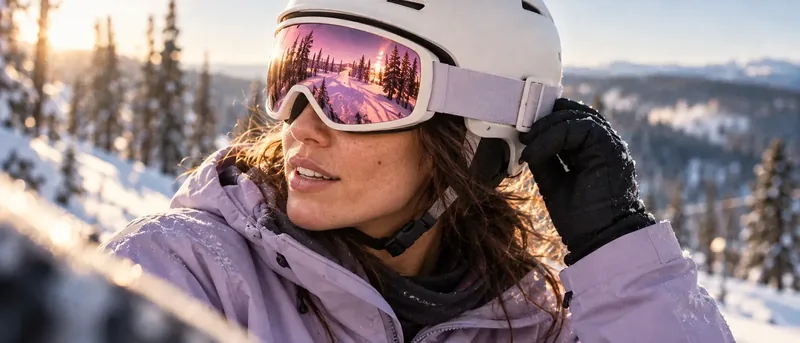
For skiing and snowboarding, choose properly fitted snow-sports goggles with verified UV protection. Look for a label stating 99–100% UVA and UVB protection, 100% UV protection or UV400. Snow reflects sunlight, and cloudy weather does not make UV protection unnecessary.
Planning a day at Perfect North Slopes in Lawrenceburg or a winter trip farther from home? Make eye protection part of the same gear check as your helmet and gloves. A little preparation helps you spend less time adjusting equipment and more time enjoying the day.
Why snow changes your eye-protection checklist
Snow can reflect UV toward your eyes as well as the exposure arriving from above. UV exposure also increases at higher elevations, so protection matters on a mountain trip as well as close to home.
Too much UV can injure the eye's surface. Photokeratitis, sometimes called snow blindness, can cause pain, tearing, light sensitivity and blurred vision. Symptoms may appear after the exposure. How comfortable your eyes feel on the hill is not a reliable measure of protection.
The American Academy of Ophthalmology's winter eye-safety guidance recommends appropriate goggles for skiing and snowboarding. Keep UV-blocking sunglasses handy for time off the slopes, too.
Read the label, then check the whole goggle
Lens darkness and UV protection are different features. A dark lens is not proof of UV protection; a clear or low-light lens may provide it if the label confirms that. Choose a tint suited to the conditions and follow the manufacturer's guidance for evening use.
Before buying or packing goggles, check:
- UV protection: Look for a clear statement of 99–100% UVA and UVB protection, 100% UV protection or UV400. A label saying only “UVA/UVB” does not tell you how much is blocked.
- Intended use: Choose goggles designed for skiing or snowboarding. Ask the supplier about the complete goggle's protection and the manufacturer's safety information.
- Helmet fit: Try the goggles with the helmet you will wear. They should sit comfortably and securely together without pressing on your face or leaving a large forehead gap.
- Lens condition: Check for scratches, cracks, loose parts and poor visibility. If buying used, verify the model and protection information as well as its condition.
Price alone does not settle these questions. If the label or condition is uncertain, ask a knowledgeable supplier before relying on the pair.
Make room for glasses, contacts and a backup plan
If you wear glasses, try over-the-glasses goggles with your own frames, or ask about compatible prescription inserts. Check that you can see clearly and that the frames are not being pushed into your face. Everyday glasses alone do not replace goggles intended for the activity.
If contacts are appropriate for you, follow your prescribed wear schedule and use UV-blocking goggles over them. Bring backup glasses, your usual lens-care supplies and only drops recommended for use with your lenses. Goggles can reduce wind exposure, but they do not solve every cause of dryness or discomfort.
If your eyes become red, painful, unusually watery, light-sensitive or blurry, remove the contacts and contact an eye-care professional promptly. Keep the lenses out until that professional advises that it is safe to restart. The FDA's contact-lens guidance explains why symptoms need assessment.
Explore contact lens exams and fittings
Check each child's fit before the day begins
Children need verified UV protection and equipment that fits them. Try goggles with the child's helmet and any prescription glasses. Ask them to look around and tell you about pressure, slipping or difficulty seeing.
Recheck fit as your child grows and whenever the helmet or goggles change. A pair borrowed from a sibling may need a different fit. Build the check into getting ready, before the family is standing in line for a lift.
Know when discomfort needs care
Do not assume painful or blurry eyes after a day outside are simply snow blindness that will pass on its own. Contact an eye-care professional promptly about pain, unusual redness, light sensitivity or a vision change, especially if you wear contacts.
While arranging advice, get out of bright sunlight, remove contacts and avoid rubbing your eyes. Ask the clinician which comfort measures are appropriate. Do not use drops to push through unexplained pain and keep skiing.
Severe pain, sudden vision loss, or an eye injury needs immediate assessment by an eye doctor or emergency department. Do not wait for an online request or a routine callback. Our guide to red eyes and sudden vision changes explains the urgent-care route.
For advance, non-urgent questions about your prescription or contact-lens comfort, contact your Aurora, Greensburg or Richmond office. Tell the office what you need before arranging a visit; a request becomes an appointment when the office confirms it.
Guide to red eyes and sudden vision changes
Aurora, Greensburg or Richmond office
Common questions
Do I need UV protection on a cloudy day?
Yes. UV can still reach your eyes through cloud cover. Choose protection by the label and activity, rather than how bright the day looks.
Are inexpensive goggles an option?
Check verified UV protection, intended use, condition and fit. A higher price is not a substitute for those checks.
Can I wear contacts to ski?
Ask your clinician what is appropriate for your eyes. Follow your prescribed care plan, wear suitable goggles and carry backup glasses. Remove lenses and get advice if symptoms develop.
Should I wait a day if my eyes hurt after skiing?
Contact an eye-care professional promptly instead of assuming the cause. Severe pain, sudden vision loss or an injury needs immediate care.
What your visit includes.
No insurance? You can still ask about care. Compare the visit, the fee, and what is separate before sharing contact details.
- Cost
- $95 self-pay Eyewear, contact lens fitting and additional testing are separate.
- When
- You choose the days Share your preferred days. The office confirms a time.
- Time to allow
- 30 to 45 minutes Total time onsite, including check-in.
Helpful guides for the step you’re on.
 Red eye or sudden vision changes: when not to wait for an online requestSome eye symptoms need immediate help, not a routine request. Recognize warning signs and communicate clearly without trying to diagnose yourself.
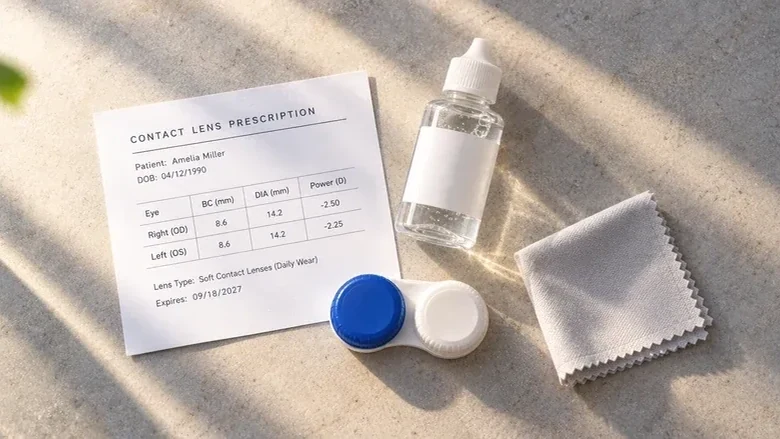 What is included in a contact lens exam, and what may cost extra?$160 self-pay covers the eye exam and contact lens fitting for new patients and first-time wearers. See trial lenses, training and 30-day follow-up details.